
Why Digital Literacy Is Important for Students in 2026
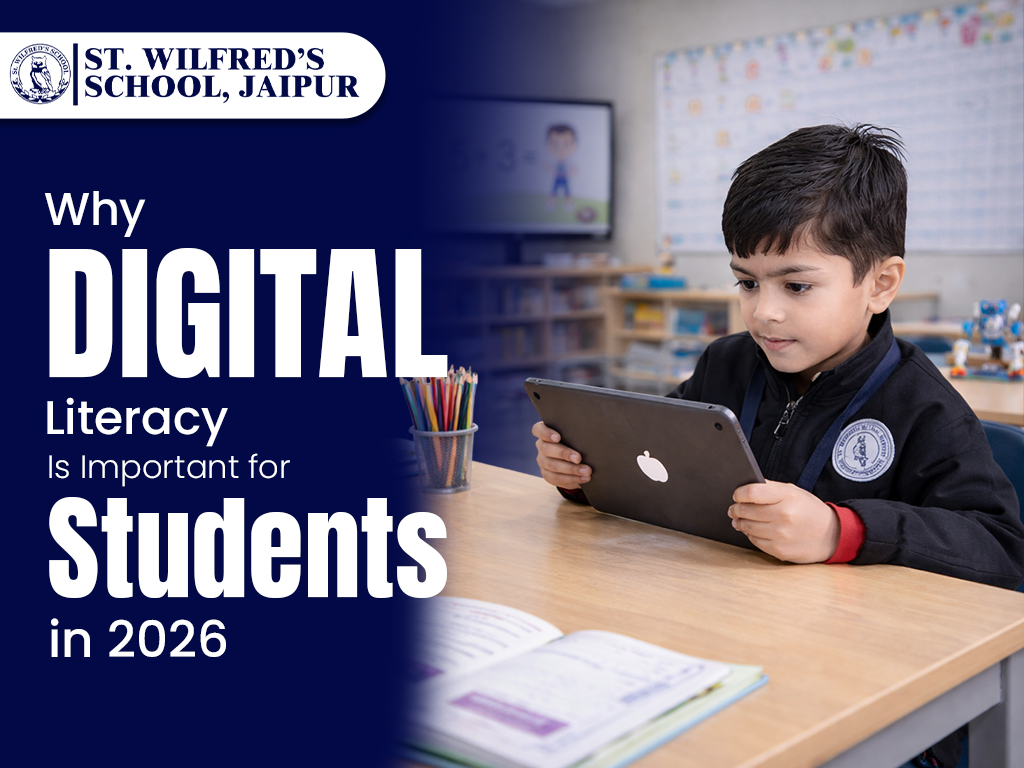
In 2026, literally everything in the world is going digital, making digital literacy a necessary skill to be taught for every stage of life, which includes education, careers, and other regular days. As per reports, over 90% of jobs globally in the present time require digital skills. Due to digital literacy, schools are also integrating technology in their curriculum to help students of all ages develop critical, ethical, and analytical digital capabilities and make them competent enough for the present as well as the future world.
What is Digital Literacy?
The ability to effectively, safely, and responsibly use digital technologies to access, evaluate, create, and communicate information is called digital literacy. The typical understanding of digital literacy is knowing how to use a smartphone or computer. However, when a child studies at the best CBSE school in Jaipur, they get to know that it also includes understanding digital ecosystems and making informed decisions online. Below are the key components of digital literacy:
- Information Literacy: Ability to find, evaluate, and verify information online
- Media Literacy: Understanding how digital media is created and its potential biases
- Technical Skills: Using devices, software, and digital tools
- Communication Skills: Engaging responsibly across all digital platforms or websites
- Digital Safety & Ethics: Protecting privacy and behaving responsibly online while respecting the privacy of others
Why is Digital Literacy Important for Students in 2026?
The majority of the parents who have enrolled their child in a CBSE school only focus on concepts or subjects important for their child in the CBSE board exam preparation. However, that’s not the completely right approach. Skills like digital literacy are crucial for them too, which influence how students learn, interact, and prepare for their future. The following are some factors that define the importance of digital literacy.
1. Enhances Academic Learning
Digital literacy enables students to access several types of educational resources and learning platforms available online for children of all ages. It provides:
- Access to e-learning platforms and online libraries
- Improved research and analytical skills
- Exposure to knowledge from all across the world
2. Prepares Students for Future Careers
Every sector is driven by technology in some way or another, whether it be healthcare, finance, marketing, or anything else. Having digital literacy ensures that students are job-ready for any one of these sectors of their choice in a world where competition increases constantly. Their preparation for future careers that explain the digital education importance includes:
- Familiarity with workplace tools and software
- Ability to adapt to evolving technologies
- Improved problem-solving using digital resources
- Increased employability across sectors
3. Promotes Safe and Responsible Online Behavior
As students learn about spending time on digital screens, they also learn about digital privacy and responsibility to avoid cyberbullying, privacy breaches, and screen addiction, which includes:
- Understanding online privacy and data protection
- Recognizing cyber threats and scams
- Practicing respectful online communication
- Building a positive digital footprint
What Are the Important Digital Skills for Students 2026?
The necessary digital skills for students 2026 include preparing them for the rapid growth of technology in today’s time. They teach students about the rise of functions and dependence on artificial intelligence, data analytics, and cloud computing. The basic skills and the advanced ones that are important for students to have in the present time, include:
- Basic Computer & Device Literacy: Operating systems, file management, and common software
- Internet Navigation & Research: Efficient searching and evaluating online information
- Digital Communication Tools: Email and virtual meeting platform
- Cybersecurity Awareness: Keeping your passwords safe and protecting your data
- Artificial Intelligence (AI) Basics: Understanding the functioning of Artificial Intelligence tools
- Cloud Computing Awareness: Using platforms for safe storage and collaboration on data
How Are Digital Skills Taught to Students in School?
As digital literacy and skills are important for everyone and are best when learnt at an early age, schools are increasingly integrating digital literacy into their curriculum, blending theoretical as well as practical learning approaches. The following are some of the ways in which a typical school teaches digital skills to students.
1. Through Curriculum
Digital literacy is given to students in the form of a specific subject like Computer or IP (Informatics Practices). The many concepts taught in these subjects to students of different grades include the likes of:
- Coding or programming
- Data science
- Cybersecurity
- Digital presentations and collaborative projects
- Use of simulations and virtual labs
2. Use of EdTech Tools
Many schools take the help of educational technology platforms to enhance engagement and learning outcomes for children. These tools are:
- Learning management systems (LMS)
- Interactive apps and gamified learning tools
- Virtual classrooms
3. Project-Based Learning (PBL)
The common measures of digital skill development include students participating in solo or group projects where they find the answers to practical questions and real-world problems. In the process, they hone their technical and soft skills. These projects include:
- Developing simple apps or websites
- Conducting data-driven research projects
Conclusion
Digital literacy in 2026 is a critical life skill that shapes how students all across the world learn, work, and interact in their present and much more in their future. As a typical curriculum followed by schools combines technical knowledge with critical thinking, ethical awareness, and adaptability, students are well prepared for academic success and future careers.
Enroll your child at St. Wilfred’s School, Jaipur, to make your child future-ready as they experience digital skill development and literacy at our computer science laboratories.
FAQs
Q. What is digital literacy in simple words?
The ability to safely and responsibly use digital technologies to access, evaluate, and create things, along with communicating with others, is called digital literacy.
Q. What are the 5 basic digital skills?
The 5 basic digital skills are using devices, managing information, communicating online, transacting online, and maintaining online safety.
Q. What are the 7 C’s of digital literacy?
The 7 C’s of digital literacy are Changing, Collecting, Critiquing, Connecting, Communicating, Creating, and Curating.