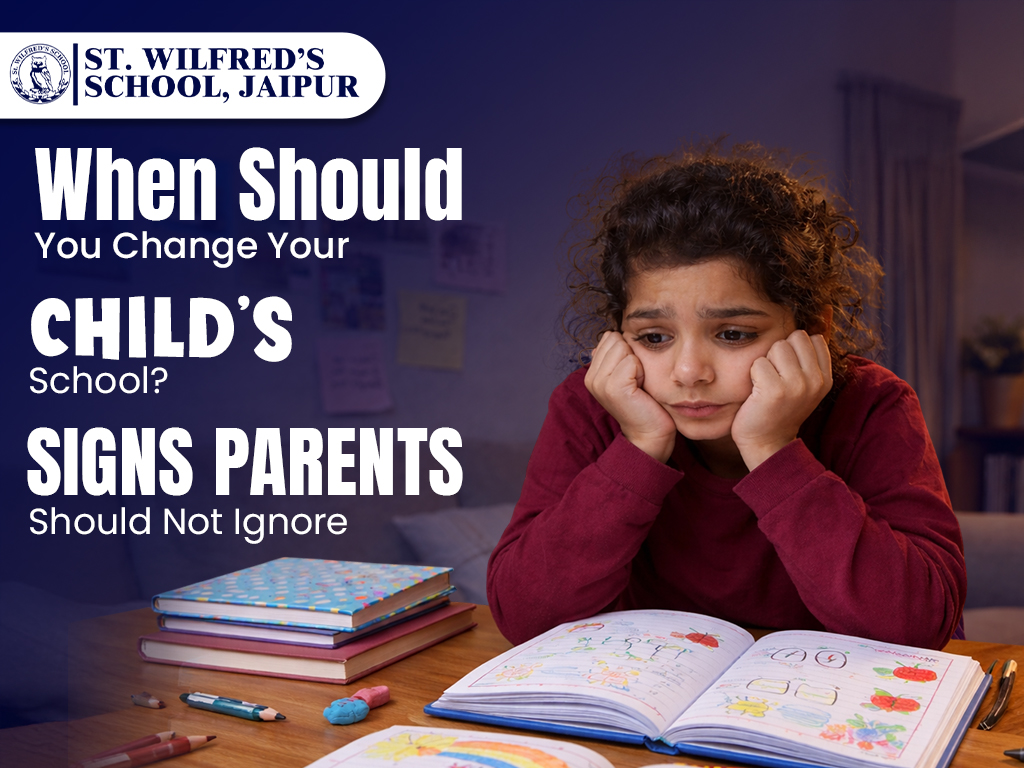
When Should You Change Your Child’s School? Signs Parents Should Not Ignore
Every parent wants the best for their child-a safe, nurturing space where they can grow academically, socially, and emotionally. But what happens when the school your child attends is no longer the right fit? Changing schools is a significant decision, and many parents struggle with it. The truth is, staying in the wrong school can sometimes do more harm than good.
In this guide, we walk you through key warning signs that you need to focus on to rethink your child’s schooling and share practical advice on how to choose a better school that truly supports your child’s future.
Why school choice matters more than you think
Education planning for children isn’t just about choosing a school close to home. The right school shapes a child’s confidence, curiosity, and character. A school that once seemed perfect may no longer meet your child’s evolving needs academically, socially, or emotionally. Recognising that early is one of the most important things a parent can do.
7 signs it’s time to consider changing your child’s school
1. Your child dreads going to school every single day
A little reluctance on Monday mornings is normal. But if your child is consistently complaining of stomach aches and is genuinely anxious about attending school, it is a red flag. Children shouldn’t fear learning. Persistent school avoidance is often rooted in bullying, academic pressure, or a sense of being unseen by teachers.
2. Academic progress has stalled or declined
If your child’s grades are lower despite their putting so much effort into studying, or if they seem bored and unchallenged, it means the school’s teaching approach does not suit their learning style. This is a key concern that needs your focus while planning for your child, ensuring the school’s pedagogy aligns with how your child learns best.
3. Bullying is being ignored or mishandled
Bullying, physical, verbal, or online, can have lasting psychological effects if you’ve reported incidents and seen little action, which tells you everything about the school’s leadership culture. A school that dismisses bullying is not a safe space for your child.
4. Your child’s mental and physical well-being is suffering
Frequent headaches, disrupted sleep, loss of appetite, or sudden withdrawal from friends are signs worth taking seriously. A child’s health is deeply connected to their school environment. Schools that genuinely care often incorporate top nutrition tips for school-age children into their wellness programmes because a well-nourished, emotionally supported child is a better learner.
5. The school’s values don’t align with yours
As your child grows, you may notice a growing mismatch between the school’s culture and your family’s values around discipline, inclusivity, religious sensitivity, or extracurricular emphasis. It’s absolutely fine to want a school that reflects what you believe matters in raising a well-rounded child.
6. Limited opportunities for growth beyond academics
Sports, arts, debate, robotics, and community service help in building life skills that textbooks simply can’t. If your child’s school offers little beyond exams and rote learning, you may be unknowingly limiting their potential.
7. Teaching quality is inconsistent or poor
Frequent teacher turnover, unqualified staff, or a lack of individual attention are serious concerns. Good teachers are the backbone of any great school. If your child regularly comes home confused or disengaged, it’s worth investigating further.
How to choose a better school: what to look for
Once you’ve decided a change is needed, here’s what to prioritise when evaluating options:
Curriculum & board
Many families searching for the best CBSE school in Jaipur value its structured, nationally recognised approach to learning.
Teacher quality
Check faculty qualifications, experience, and the student-to-teacher ratio. Low ratios mean more individual attention.
Safety & infrastructure
Visit in person. Observe the campus, hygiene, and how staff interact with children during transitions.
Extracurriculars
A school with rich co-curricular options, arts, sports, and STEM clubs supports holistic development.
Parent communication
Transparent, responsive leadership is a strong signal of a school that takes accountability seriously.
Cultural fit
Trust your instincts. Watch your child’s reaction during the school visit, which tells you a lot.
Making the transition easier for your child
- Talk openly about the change using age-appropriate language, don’t hide it or rush the conversation.
- Visit the new school together before day one so the environment feels familiar, not foreign.
- Encourage joining a club or team immediately; shared activities accelerate friendship-building.
- Stay in close contact with the new class teacher during the first few weeks of settling in.
- Celebrate small milestones, such as making a new friend or enjoying a lesson, to reinforce a positive association with the new school.
Conclusion
Those looking for the best school for their children need to understand that no school is perfect, but their child’s school should be a place where they feel safe, motivated, and genuinely valued. If you’re seeing consistent signs of distress, stagnation, or a values mismatch, don’t wait too long to act. Thoughtful education planning for children means being willing to make difficult calls when your child’s growth demands it. Whether you’re exploring the best CBSE school in Jaipur or researching options in another city, use the signals and framework in this guide to make a confident, well-informed decision.
Frequently asked questions
At what age is it best to change a child’s school?
There’s no particular right age, but transitions are generally smoother at some breaking points, such as the start of a new academic year or the transition from primary to middle school.
Will changing schools affect my child’s academics?
There may be a brief adjustment period, but most children adapt well, especially when moving to a school that offers a curriculum and teaching approach that fits their learning style and needs.
How do I evaluate the best CBSE school in Jaipur for my child?
Look beyond rankings. Evaluate faculty experience, academic results, student support systems, campus safety, and how the school communicates with parents. A school visit tells you more than any brochure.
Should I involve my child in choosing the new school?
Absolutely. Involving older children builds confidence and gives them a sense of agency over the transition. Even younger children can be taken for a school visit to gauge how they respond to the environment.
What are some top nutrition tips for school-age children during a school transition?
Keep meals consistent and nutritious, stable blood sugar supports focus and emotional regulation. Warm breakfasts, protein-rich lunches, and limited processed snacks help children manage stress better during adjustment periods.